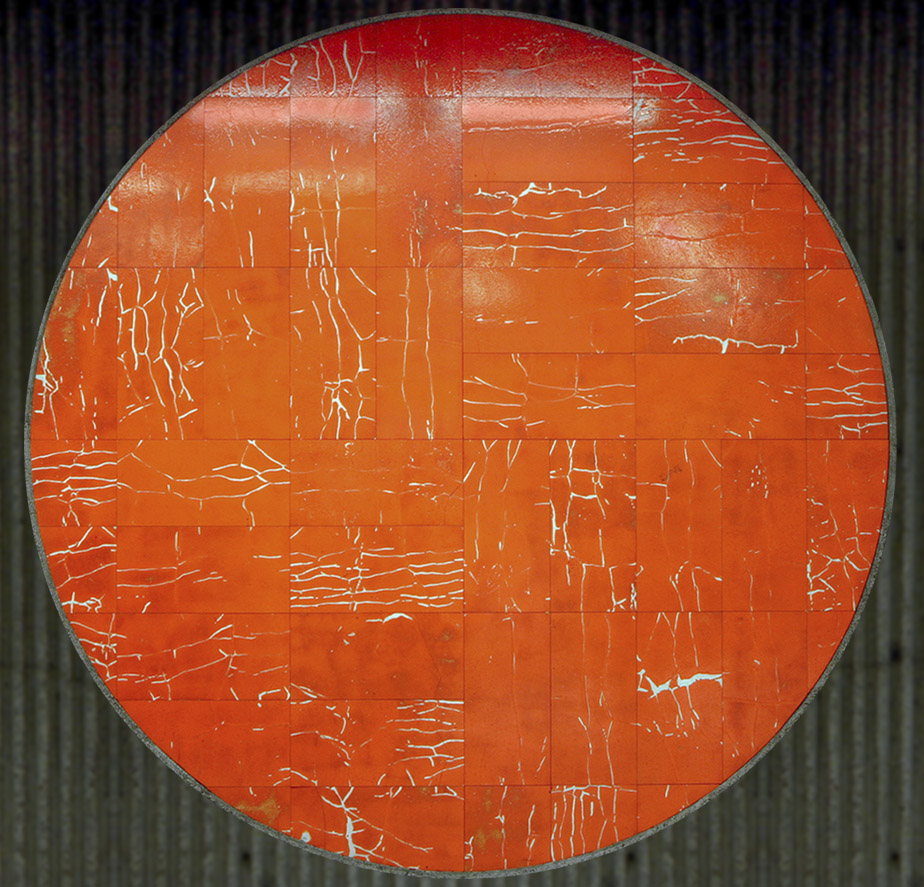
Mario Merola
Mario Merola’s works are included in the collections of the Musée d’art contemporain de Montréal, the Montreal Museum of Fine Arts, the National Gallery of Canada, the Musée National des Beaux-Arts de Québec, the Budapest Museum of Fine Arts, the Italian-American Museum in San Francisco, and many others.
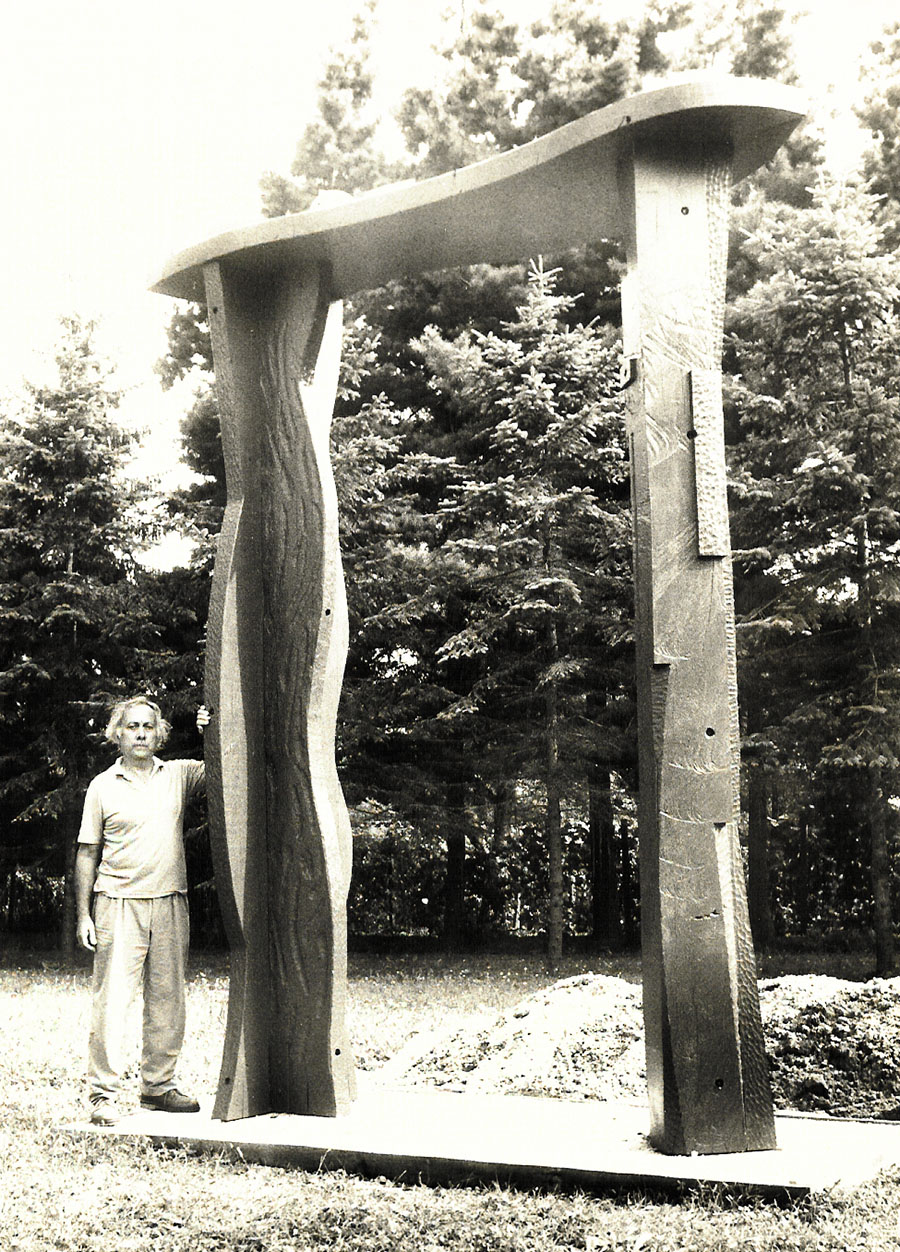
Mario Merola, painter, muralist, sculptor
Born in Montreal in 1931 to an Italian father and a French-Canadian mother, Mario Merola came from a family of musicians (his mother played the violin, his father the mandolin, and his sister Colette pursued a career as a mezzo-soprano).
Admitted to the École des Beaux-Arts de Montréal at the age of fifteen, his teachers included Maurice Raymond, Jean Simard, and Stanley Cosgrove. His five years of study at the Beaux-Arts were a happy time for him. In 1951, he won first prize in a competition for the creation of a mural on the theme of historic Montreal. In 1952, upon graduating from the Beaux-Arts, he received a scholarship from the French government and enrolled in the scenography program at the École Supérieure des Arts Décoratifs in Paris. He traveled throughout France and northern Italy.
Back in Montreal, he frequented the Atelier de la Place des Arts, a shared studio used by Roussil, Vaillancourt, and Dinel. In 1954, he joined the Canadian Broadcasting Corporation (CBC) and spent three years designing costumes for the fledgling television industry. His first exhibitions took place during this time (at the Librairie Tranquille, the Café des Artistes, etc.).
For over twenty years, he created murals, reliefs, and sculptures for public spaces. He taught at the École des Beaux-Arts de Montréal in 1959 and later at the Université du Québec à Montréal (UQAM) in 1969.
Robert Melançon said of him: “By turns and all at once a draftsman, sculptor, muralist, and painter, Merola is an inventor of forms. By embracing the risk of constant exploration, his work develops a visual universe of remarkable coherence. His creations are always ‘signed’ in the strongest sense of the word—that is, recognizable—whether his name appears in full or not.”